22 Key Takeaways from the IMF–World Bank Meetings in Thailand
October 19, 2026
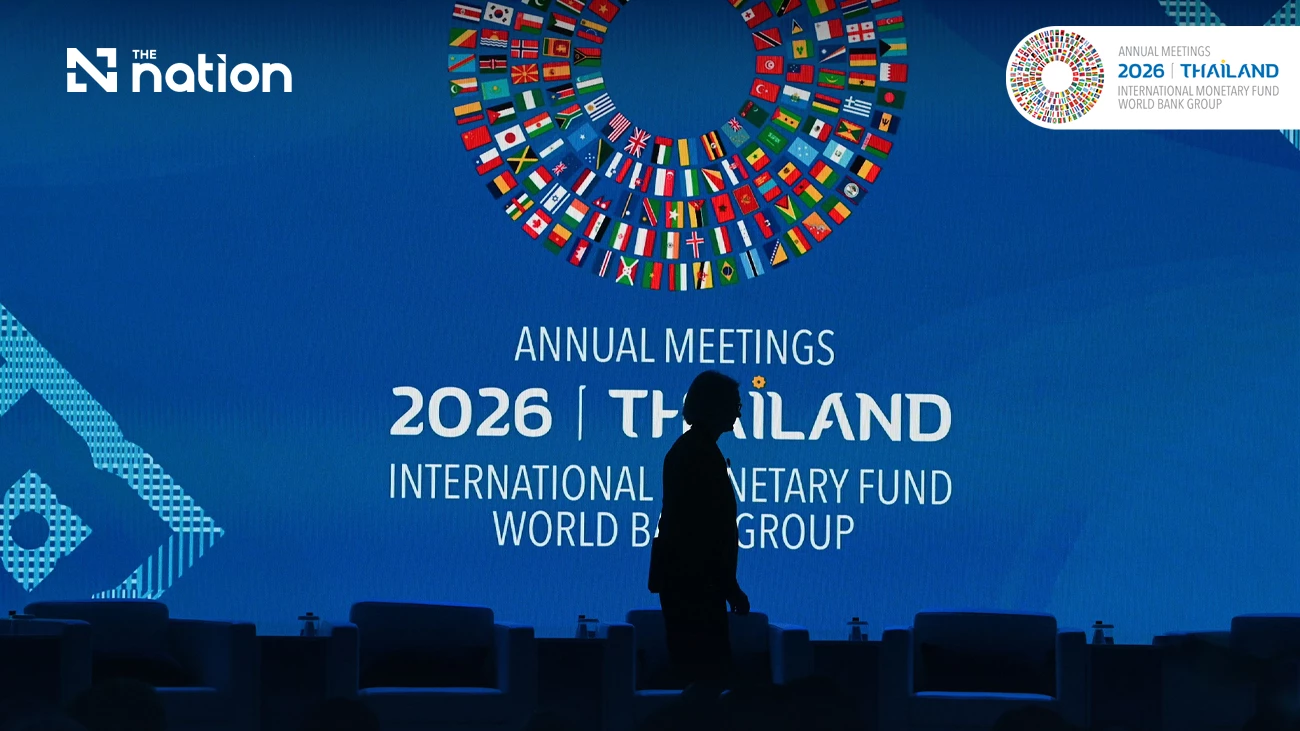
The 2026 Annual Meetings of the International Monetary Fund and the World Bank Group opened on October 12 at the Queen Sirikit National Convention Center in Bangkok and were scheduled to close on October 18. Over the week, finance and fiscal leaders debated a wide range of economic issues. Below are the main points from the discussions and presentations.
Asia and the Global Economy
- Asia is the main driver of global growth, and developing economies are trading more with each other, a structural shift in world trade.
- The IMF launched its flagship report, “Shaping the Future of Asia: Opportunities and Challenges,” which looks at the region’s growth and achievements over several decades.
- Since 1990, Asian economies have produced nearly two-thirds of global growth. In 2026, their share reached a record 68%.
Fiscal and Monetary Policy
- The IMF’s World Economic Outlook, titled “Resilience Under Strain, Urgent Choices,” calls on governments and central banks to tighten fiscal policy.
- Governments should cut budget deficits quickly and rein in public debt. The IMF recommends ending blanket cash handouts and limiting cost-of-living subsidies to vulnerable groups, with clear timelines.
- Central banks should protect their independence and keep interest rates high enough to stop inflation from getting out of control over the long run.
- Global growth remains uneven. Thailand, a member of the ASEAN-5 group, benefits indirectly from regional technology supply chains.
- AI hardware investment by major Asian producers such as South Korea and Taiwan has given some support to Thai manufacturing and exports.
AI and Global Trade
- AI is becoming a major contributor to world trade and economic growth.
- From 2023 to 2025, world trade grew by a cumulative 8.3%, while trade in AI-related goods rose 29%.
- Without those AI-related goods, global trade growth would have been just 4.6%.
- The broader productivity gains from AI remain uncertain. Experts see AI changing the nature of jobs rather than eliminating them.
Reducing Poverty Through Jobs and Private Investment
- The World Bank argues that reducing poverty depends on creating work opportunities, not just providing financial aid.
- With government budgets and aid under pressure, the Bank is shifting its strategy to attract more support from philanthropy and the private sector.
- Official development assistance now covers about one-fifth of needs, or US$15–20 billion a year. The rest must come from mobilising private capital.
- The private sector generates 90% of global job creation.
“Small AI” for Developing Countries
- According to the World Bank, developing countries do not always need the largest or most advanced AI systems.
- Its “Small AI” approach adapts technology to local conditions to boost productivity and growth. It also works around the infrastructure limits that make large language models hard to use in poorer countries.
- Examples include remote screening for skin diseases in Indonesia and the use of photographs to diagnose crop diseases in India.
Climate Risks for Thai Businesses
- Climate change is raising costs and making Thai businesses more vulnerable, especially through flood damage and the pressure to move quickly to a low-carbon economy.
- Access to finance and insurance is a key obstacle to building business resilience.
- The World Bank suggests combining policies for micro, small and medium-sized enterprises (MSMEs) with green finance and insurance. This would help firms prepare for disasters and stay competitive, which is especially important for small businesses in flood-prone areas with few resources.
Changing Patterns of Global Trade
- Over the past 30–40 years, world trade has quadrupled, while developing countries’ share of it has doubled.
- Half of developing countries’ trade is now with other developing countries, a shift away from heavy reliance on rich-country export markets.
- About 50–55% of ASEAN’s trade is within the region, a higher level of regional integration than in South Asia, Africa or Latin America.
- About 100 bilateral and multilateral trade agreements were signed worldwide over the past decade, but poor implementation remains a major problem. The World Bank has called for faster action to cut trade barriers.
- The Bank says Thailand and ASEAN should speed up regional economic integration, remove non-tariff barriers, and strengthen supply chains and digital links. Building on existing regional ties would make economies more resilient as global trade becomes more fragmented.
Jobs, Small Businesses and Public Priorities
- Over the next 10–15 years, 1.2 billion people in developing countries will reach working age, but their economies are expected to create only 420 million jobs.
- Young people in emerging economies could become a major source of growth if they get adequate support in healthcare, education and the environment.
- MSMEs make up 90% of businesses and 75% of employment in developing countries. The World Bank has launched a new strategy to help them secure finance, become more competitive and create sustainable local jobs, particularly in low-income and conflict-affected countries.
- The Bank proposes four measures that use data and digital tools to support small firms: making them visible within the formal system, connecting them to markets and services, reducing barriers to doing business, and expanding access to finance.
- Successive crises, from COVID-19 to wars and tensions in the Middle East, have left many governments with less room in their budgets. Governments must choose how to divide limited resources between infrastructure, including AI-related infrastructure, and human capital such as education. Both matter for long-term growth.
Universal Health Coverage
- The World Bank is working with the Japanese government, the World Health Organization and other partners on universal health coverage through “country compacts.”
- Under these compacts, countries set their own priorities and receive targeted funding from partners such as Gavi and the Global Fund.
- A new UHC Knowledge Hub will bring finance and health ministries together for a full year to plan reforms that make health financing more efficient and self-reliant.